
.jpg)
Dry the cabinet, photograph the water and test the tap and drain separately before tightening anything.
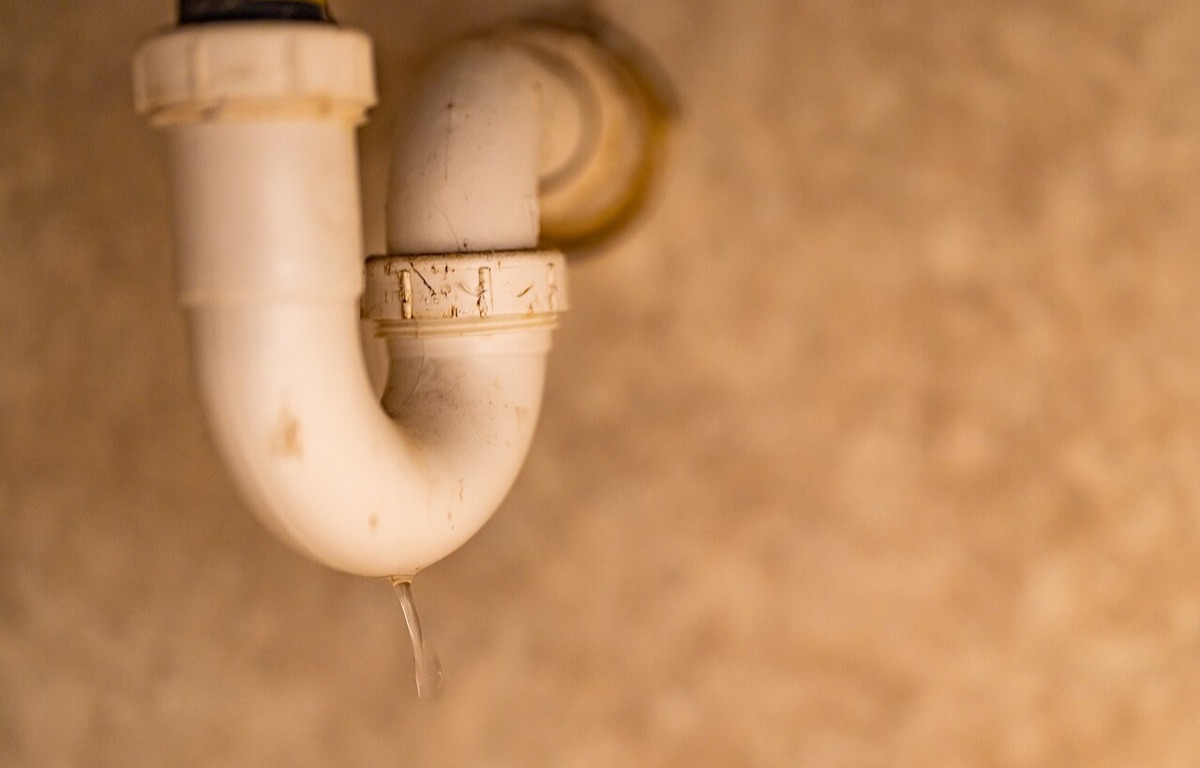
Water under a sink is often blamed on the U-shaped drain trap, but the puddle can start higher up: at a tap connection, a shut-off valve, a flexible supply hose, the drain flange, or a dishwasher connection. The useful first question is not “Which part should I replace?” It is “When does the water appear, and where is the highest wet point?”
This is a visual diagnosis guide, not a substitute for a plumber or local tenancy advice. If you are renting, check your agreement before carrying out anything beyond a reversible check. For more small kitchen problems, browse the kitchen and bathroom guide collection.
Do not use an electrical appliance or reach into standing water. If water is near a socket, disposal unit, dishwasher connection, or visible wiring, step back and contact emergency maintenance or a qualified electrician.
1. Make the area safe before you diagnose it
Stop using the sink for the moment and remove anything stored underneath. Put a bowl or folded towel below the lowest visible joint, then wipe the cabinet floor dry. This prevents a small amount of water from spreading while you work out where it starts.
If water is still flowing without the tap running, use the local isolation valve only if you can identify it and reach it without stepping into water. Otherwise, contact the landlord, building manager, or emergency maintenance line. Do not dismantle a pressurized supply connection just to see inside.
The CDC advises that if electrical equipment or circuits have become wet or are in or near water, you should not enter standing water to reach the main switch and should have a qualified electrician inspect the affected equipment before it is used again (CDC electrical-safety guidance).
2. Use the timing of the leak as your first clue
Once the cabinet is dry, test one action at a time. The pattern below cannot replace an inspection, but it helps you describe the problem accurately when you report it.
| When water appears | Where to look first | What to do next |
|---|---|---|
| As soon as the tap runs | Faucet base, supply hoses, or shut-off valves | Dry the joint, photograph it, and report a continuing drip. |
| Only while the basin drains | Drain flange, waste connection, or trap | Check the highest wet point; do not force a plastic fitting. |
| When the dishwasher runs | Appliance hose, waste spigot, or cabinet side panel | Stop the cycle and contact the landlord or appliance provider. |
| Even when no water is being used | Pressurized supply line or concealed pipe | Treat it as more urgent and use the emergency repair route. |
EPA WaterSense recommends checking under sinks for water at pipe connections, puddling, and water spots. Its leak guidance also starts with identifying the source before choosing a repair (EPA WaterSense home maintenance; EPA Fix a Leak Week).
3. Run a low-risk paper-towel test
A folded paper towel is more useful than a quick glance because it shows which joint became wet first. Use a separate small piece around each visible connection: the two supply hoses, the drain flange, the trap joints, and any dishwasher waste connection.
Include the whole cabinet, then take a closer photo of any swelling, staining, corrosion, or cracked plastic.
Watch the supply hoses and the faucet base. Then stop and check the paper towels without moving the pipework.
This separates a supply-side leak from a drain-side leak. Check the trap and waste connections as the water leaves.
Water runs down, so the puddle on the cabinet floor is often lower than the actual source.
4. What can a renter gently adjust?
Only consider a small adjustment when the source is visible, the fitting is clearly loose, and the change is reversible. A plastic drain slip nut may sometimes be snugged by hand. Turn it only until it stops moving easily, then repeat the paper-towel test. If the fitting twists, creaks, cracks, or needs a wrench, stop.
Do not loosen a supply hose, remove the trap, cut a pipe, apply sealant over a wet joint, or use force to “see if it works.” Those actions can turn a slow drip into a larger leak and may make it harder to show what was wrong originally. If the sink is blocked as well as leaking, use the blockage guides separately rather than adding more variables to the leak check.
5. Know when the landlord or a professional should take over
Report the problem promptly if the leak continues after the test, appears behind the wall, comes from a flexible supply hose, or has caused swollen chipboard, a damp wall, mold, corrosion, or a musty smell. A leak that stops after the tap is turned off still matters if it has left staining or swelling.
Tenancy rules vary by country and state. As one example, GOV.UK lists sinks, sanitary fittings, pipes, and drains among repairs that a landlord is responsible for in private rented homes, while also telling tenants to report faults promptly (GOV.UK private-renting repairs guidance). Use the rules for your own address, but keep the practical habit: report the issue in writing, attach clear photos, and keep a copy.
“There is water under the sink in the [kitchen/bathroom]. It appears when [the tap runs / the basin drains / no water is being used]. I dried the cabinet and photographed the highest wet point. Please confirm the next repair step.”
6. Dry the cabinet and watch it for a day
Once the source has been stopped or reported, leave the cabinet open so air can circulate. Replace wet shelf liner or cardboard, but do not cover a damp base before it has dried. Keep one clean paper towel under the suspected joint for the next 24 hours and check it after using the sink.
If the cabinet base has swollen, the wall remains damp, or the smell changes from “wet” to musty, add that information to your repair report. These details help the person inspecting the property understand that the visible puddle was not the whole problem. For move-out preparation, see the move-out guide collection rather than trying to hide a water mark.
What to hand over to maintenance
You do not need to take the sink apart to be useful. A dry cabinet, a clear photo, and a note about when the water appears give the next person a much better starting point than a rushed repair. If the source is obvious and the adjustment is genuinely reversible, make one gentle check. If it is not, report it and leave the pipework in place. You can continue with the full guide library when you are ready to look at the next small problem.
These links support specific safety, maintenance or jurisdiction examples in the article. General guidance cannot replace the instructions for the exact appliance, fitting, lease or location.