
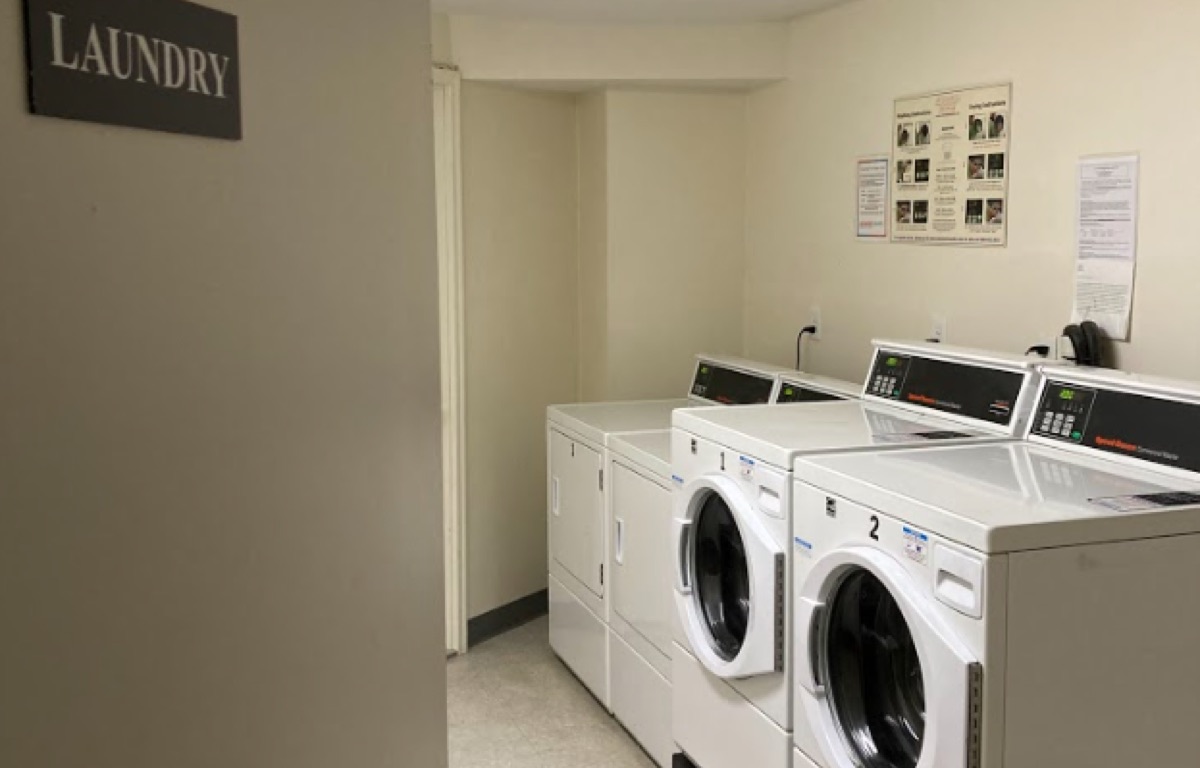

Pause the machine, switch it off safely, check the selected cycle and visible hose position, and only open an accessible filter if the manual shows how to contain the water. Stop if the machine is built in, the water is hot or the drain connection leaks.
When a washing machine will not drain, the temptation is to open the small filter door immediately. That can release several liters of water onto the floor, especially when the drum is full. A renter's first job is containment: stop the cycle, keep electricity and water separate, and work out whether the issue is a setting, a visible hose problem or a deeper blockage.
Appliance designs vary. The model instructions are more important than a generic internet trick, and a rental agreement may require the landlord or appliance provider to handle the repair. For other water and blockage symptoms, browse the kitchen and bathroom guide collection.
If the machine is full, hot, leaking, connected through a cupboard or close to a socket, stop and use the maintenance or appliance-service route. Do not pull a heavy appliance forward alone.
1. Stop the cycle and make the area safe
Press pause or cancel once, then follow the appliance instructions for switching off. If the plug is dry and reachable without standing in water, follow the model instructions for switching the appliance off. If water is near the socket, keep away and contact emergency maintenance or a qualified electrician.
Photograph the display before resetting it. A code can help the appliance provider identify the fault.
Place towels around the front and sides without pushing the machine or covering an electrical connection.
Wait for the machine to cool before considering any drain or filter check.
2. Check the visible hose and waste connection
Look behind or beside the machine only from a safe position. The drain hose should not be sharply kinked, crushed by the appliance or pulled out of its standpipe or sink connection. Check for water at the waste connection, but do not disconnect a hose full of water.
If the kitchen or utility sink is also slow, the restriction may be in the shared waste line rather than inside the washing machine. Do not pour chemical drain cleaner into the appliance hose or sink connection. The product may remain in the machine and create a hazard for whoever services it.
3. Consider the filter only when the manual allows it
Many front-loading machines have a pump filter behind a small lower panel, but not every design uses the same drain path. Read the model instructions first. If the machine is cool, the access point is visible and the manual gives a drain procedure, prepare a shallow tray, towels and a container before turning the filter slowly.
Stop if the filter is stuck, the water is hot, the panel will not open normally, the machine is integrated into cabinetry or the water keeps flowing. Do not use pliers, remove the pump housing or push a tool into the filter opening. Keep coins, lint and other debris in a bag for the appliance technician.
4. Know when the appliance needs a repair report
Report the machine if it repeatedly stops full of water, shows an error code, leaks from underneath, trips the circuit, makes a grinding sound, smells hot, or will not drain after the approved visible checks. Report the waste connection too if the sink backs up or water appears in the cupboard.
Include the make and model if available, the cycle, the error code, whether the drum was hot, how much water remained and whether the hose or sink connection was visibly kinked. This gives the landlord or appliance provider a safer starting point.
“The washing machine stops during [cycle] with water left in the drum. The display shows [code/no code]. The water is [cool/hot], the floor is [dry/wet], and the visible drain hose is [clear/kinked/uncertain]. I have not opened the filter because [reason].”
5. Keep the room dry while you wait
Leave the machine switched off if it is leaking or repeatedly failing. Keep the door slightly open only if the appliance is safe and the property instructions allow it; otherwise leave it in its normal position. Do not run another cycle to “flush” the blockage, and do not stack laundry or boxes over damp flooring.
If the floor, skirting board or cupboard base is swollen, add that to the report. The water-under-the-sink guide has a similar method for finding the highest wet point without dismantling pipework.
Before opening a filter or hose
Can I open the washing machine filter myself?
Only when the manual shows the access point and drain procedure, the machine is cool, the floor is safe and you have a way to contain the water. Ask the landlord or appliance provider first in a rental.
Should I run a rinse cycle to see if it clears?
No. Another cycle can add more water to a blocked or leaking system. Photograph the display and report the symptom instead.
Can I use drain cleaner in the washing machine hose?
No. Chemical products can remain in the appliance, damage seals and create a hazard for service staff. Keep the hose and waste connection for an approved inspection.
Why is the sink backing up when the machine drains?
The sink waste or shared connection may be restricted. Stop the machine and report both symptoms rather than disconnecting the hose.
Protect the floor before opening anything
A full washing-machine drum is a flooding risk before it is a filter-cleaning task. Stop safely, record the cycle and code, check only visible hose conditions and follow the model instructions before opening anything. Continue with the full guide library for the next small home problem.
These links support specific safety, maintenance or jurisdiction examples in the article. General guidance cannot replace the instructions for the exact appliance, fitting, lease or location.