
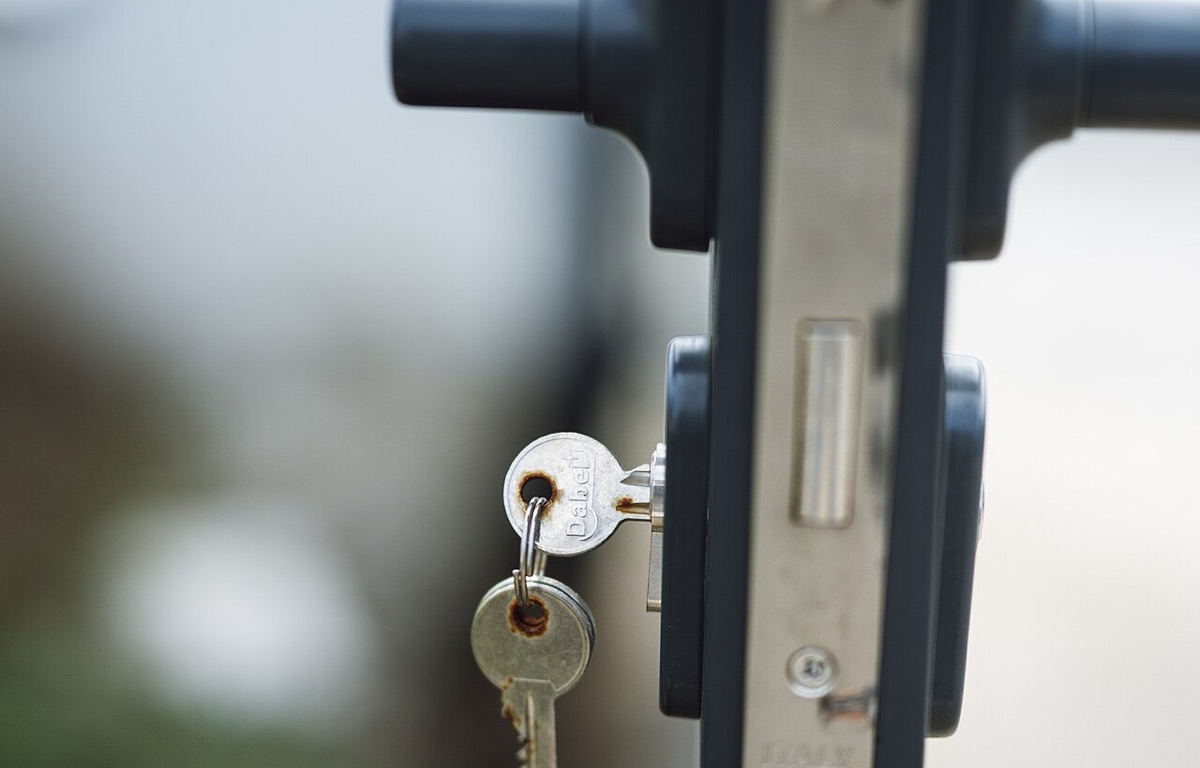

Test the lock with the door open, keep the key straight, and use only a product approved for that lock. Report any lock that jams, affects an exit, or needs force.
A stiff lock is easy to misread. If the key turns smoothly with the door open but binds when the door is closed, the cylinder may be fine and the latch may be pressing against the strike plate. If the key is rough in both positions, dirt, wear, corrosion, or the wrong key may be involved.
For a renter, the first useful action is a calm comparison, not a full lock dismantle. A small amount of approved lubricant may help a sound cylinder, but it cannot correct a dropped door, a damaged key, or a failing lock case. For related hardware, browse the doors and windows guide collection.
If the door is your only practical exit, a shared entrance, a fire door, or a security door, do not keep experimenting after the first check. The lock should open from the inside in the normal way, without a key or unusual force.
Find out when the lock becomes stiff
Keep the door open and insert the correct key fully without twisting it sharply. Turn it gently, then remove it and repeat once. Next, close the door without locking it and try the same movement. Do not slam or lean your body against the door while testing.
If it binds immediately, the cylinder or key is more likely to be the issue.
If the key works open but binds closed, look for latch pressure or alignment rather than adding lubricant.
Do not use a bent, badly worn, or copied key as your diagnosis tool. Photograph it and try the spare only if it is available and belongs to the property.
Look for fresh scrape marks around the strike plate, a door that rubs at the top edge, or a latch that sits high or low in the opening. Do not file the plate, plane the door, or adjust hinges in a rental without permission.
Make a small, dry check before lubricating
Wipe the visible key blade with a dry cloth and remove dust around the cylinder face. Keep cleaning fluid out of the keyway unless the lock manufacturer specifically recommends it. Yale's maintenance guidance says key cylinders should be lubricated with a suitable product and warns against letting cleaning fluids penetrate the lock; it also cautions that too much lubricant can hold dust on exposed parts (Yale care and maintenance recommendations).
If you know the lock brand and have its care instructions, follow those instructions rather than choosing a random household oil. Do not spray cooking oil, grease, penetrating fluid, or a general-purpose cleaner into a cylinder just because it is nearby. A sticky product can make the keyway collect more grit.
When a little lubricant may be reasonable
Consider a tiny amount of manufacturer-approved lock lubricant only when the key is correct, the door opens normally, the cylinder feels rough in both positions, and there is no sign of a damaged latch or frame. Apply it exactly as the product label says, work the key gently a few times, and wipe away excess.
Stop if the key becomes harder to remove, the lock still catches, or the cylinder starts turning without moving the latch. Lubricant is not a substitute for replacing a worn cylinder or correcting door alignment. If you rent, keep the product name and take an after photo so maintenance knows what was done.
Know when the lock needs maintenance
Report the lock promptly if the key sticks, the lock jams, the latch does not retract fully, the door will not close or latch, the handle is loose, or the problem returns after one careful check. Also report a lock that affects an apartment entrance, shared corridor, fire door, or any route you may need during an emergency.
NYC HPD's fire-safety guidance tells tenants that an apartment door should open from the inside without a key and warns against hardware that can trap residents inside. Local rules vary, but the practical point is broad: an exit lock is not a casual DIY project (NYC HPD fire-safety guidance).
Keep the lock from becoming a bigger problem
Use the correct key, insert it straight, and avoid hanging heavy keyrings from the cylinder while turning. Keep the door from being pulled sideways as you lock it. If the lock is exposed to rain or coastal air, mention corrosion in the report rather than trying several products.
For move-out preparation, photograph existing stiffness or damage before you touch the hardware. The move-out guide collection can help you document small changes without turning them into unapproved repairs.
Keep the key and exit working
A stiff lock needs a pattern before it needs a product. Test it open and closed, keep the key straight, follow the manufacturer's instructions, and stop before the lock or exit function is compromised. Continue with the full guide library when you are ready for the next small repair.
These links support specific safety, maintenance or jurisdiction examples in the article. General guidance cannot replace the instructions for the exact appliance, fitting, lease or location.