
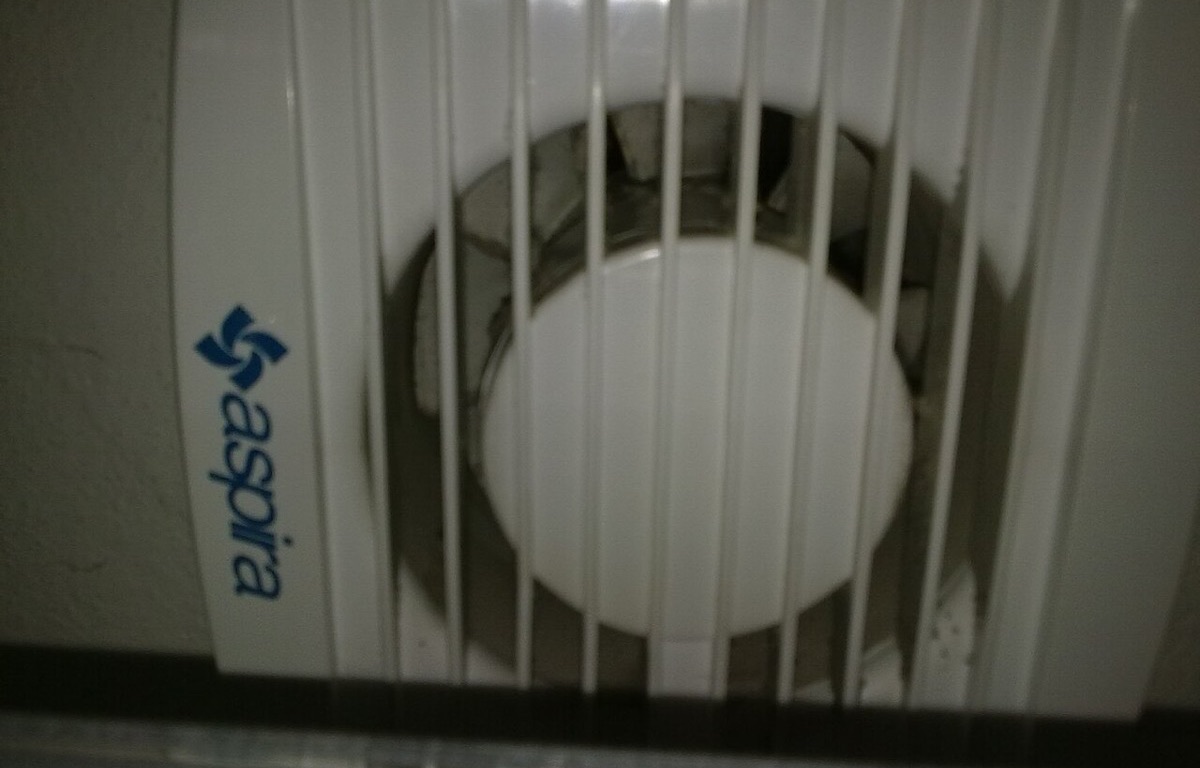

Record when the fan is noisy, check whether it moves air with a tissue held near the grille, clean only the reachable outer surface if approved, and report persistent noise or poor extraction.
Bathroom extractor fans are easy to ignore because they still make a sound. The more useful question is whether the fan is moving air and whether the room dries after normal shower use. A faint hum with good airflow is different from rattling, grinding or a fan that sounds busy while the mirror stays wet.
Start with observation and a simple external clean. Do not remove the cover, reach into the impeller or open a ceiling void in a rental. For condensation symptoms, compare this guide with the bathroom condensation guide.
Turn the fan off before wiping it, keep cloths barely damp and stop if there is a burning smell, visible damage, water near the unit or a tripped circuit. Use emergency maintenance for those conditions.
Describe the sound, not just the volume
Listen when the fan starts, while it is running and as it stops. Note whether the sound is a rattle, vibration, scraping, high-pitched whine, intermittent click or a normal steady hum. Record whether it changes when the light or timer switches on.
Look for dust, a loose edge, staining or a grille that is sitting away from the ceiling or wall.
Hold a small tissue near the grille without touching it. A slight pull is a useful observation; do not push anything into the opening.
Note whether the mirror and wall dry normally after a shower or remain wet for hours.
Clean only the reachable outer surface
Switch the fan off. If the property instructions allow it, use a vacuum brush or dry cloth on the outer grille and the surrounding ceiling or wall. Do not spray cleaner into the slots, remove screws, press a loose grille back into place or hold the blades still.
EPA indoor-air guidance says bathroom exhaust should remove moisture to the outside and that ventilation helps control indoor dampness. A clean outer grille may improve the visible airflow, but it cannot fix a blocked duct, failed motor or outlet problem (US EPA: Bathroom ventilation and indoor air quality).
Check the airflow without dismantling anything
With the fan on, hold a small tissue near the grille. Do not use a candle or flame, and do not tape the tissue to the fan. If the tissue does not move, the fan may be blocked or not extracting effectively. If it moves but the room remains damp, note both facts.
Keep the bathroom door or window in its normal ventilation position and run the fan during and after a shower as the property instructions recommend. Do not block the grille with storage, paint over it or cover it to reduce noise.
Know when the fan needs maintenance
Report the fan if it rattles or grinds, vibrates the ceiling, smells hot, trips a circuit, has no visible airflow, stops before the room dries, or is connected to staining or mold. Also report a grille that is loose, cracked or wet.
Give maintenance a short pattern: when the noise starts, whether the fan is linked to the light, whether air moves, how long moisture remains and whether the outer grille was cleaned. This avoids turning a ventilation report into a vague “fan is old” complaint.
“The bathroom extractor makes a [rattle/hum/scraping sound] when it runs. A tissue held near the grille [moves/does not move], and condensation remains for about [time]. The outer grille is [clean/dusty/loose], and I have not removed the cover.”
Keep moisture from adding to the problem
Run the fan as intended, wipe visible water from the mirror and ledges, and spread wet towels so they can dry. Do not dry clothes over the fan or leave a wet mat against the wall. If the fan is not working, reduce shower steam where practical and report the condition rather than trying to compensate with a chemical mold treatment.
If mold, peeling paint or a soft ceiling appears, link it to the fan report. The damp and noise guide collection includes related checks for recurring moisture.
Record the sound without opening the fan
A noisy extractor needs an airflow check before it needs a screwdriver. Describe the sound, test the air from a safe distance, clean only the outer grille and report any persistent noise or dampness. Continue with the full guide library for the next home check.
These links support specific safety, maintenance or jurisdiction examples in the article. General guidance cannot replace the instructions for the exact appliance, fitting, lease or location.