
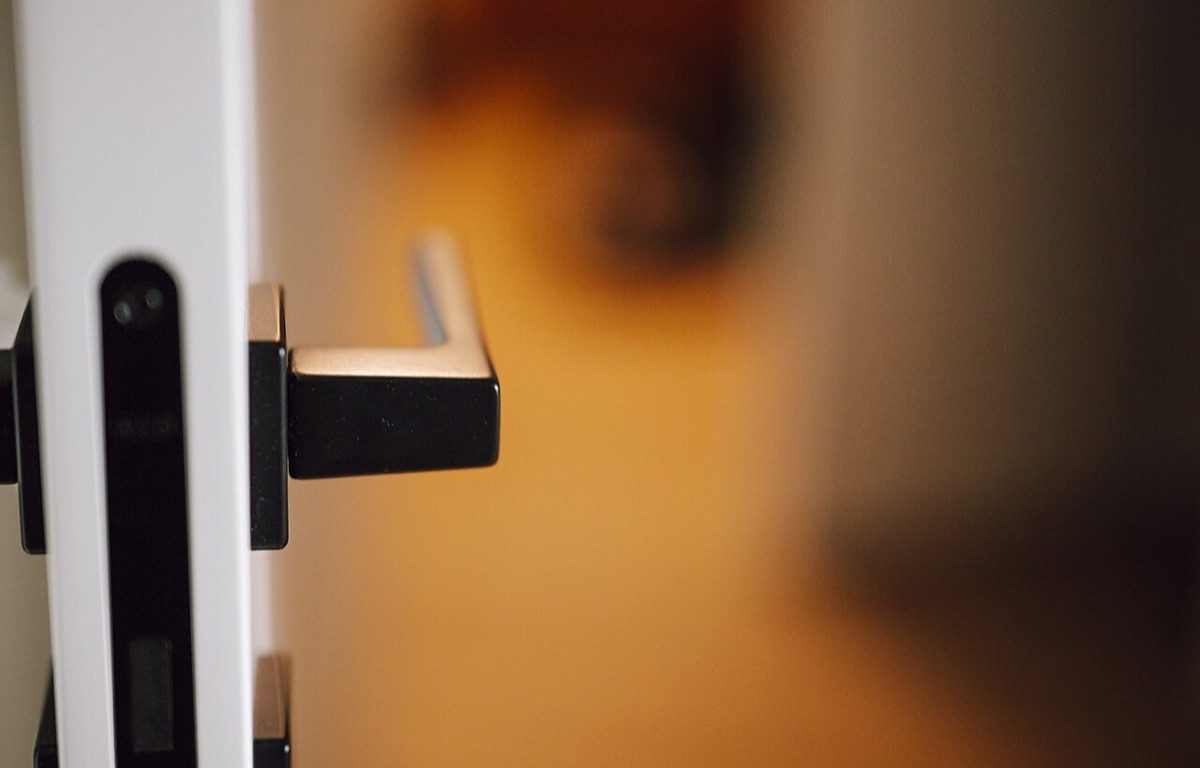

Photograph the fitting, find the intended fixing screw, and make one gentle adjustment only if the handle still opens the door normally.
Door hardware is one of the few rental repairs where a tiny adjustment can make a real difference. It is also easy to make worse: a screw can strip, a rose plate can crack, or a handle can stop retracting the latch if the fixing is overtightened.
The useful distinction is between a loose outside piece and a fault inside the lock. A loose handle or trim plate may be a reversible maintenance check. A key that sticks, a latch that will not retract, or a door that cannot open normally belongs with the landlord or maintenance team. For other hardware issues, browse doors and windows guides.
Do not work on a door that is your only practical exit if the door is already sticking or failing to latch. Put the handle back into its original working position and report damaged or fire-protection hardware instead of experimenting.
Check what is actually moving
Close the door without locking it and gently move the handle. Watch the handle, the circular or rectangular trim plate, and the edge latch at the same time. If only the handle moves while the latch still retracts and the door opens normally, the fixing may simply be loose.
If the whole lock body shifts, the latch stays partly out, the door rubs against the frame, or the handle feels stiff, stop. The visible wobble may be a symptom of alignment or lock wear, not a screw that needs more force.
Do not lock yourself into a room while testing. Notice whether the latch retracts fully.
Press the trim plate gently toward the door and move the handle again. This helps separate plate movement from handle movement.
It may sit on the underside of the handle, on the face of the plate, or behind a small cover. Do not pry off a cover that does not lift easily.
Make one gentle adjustment
Use the correct screwdriver or hex key if you have one. Keep the tool square to the fixing and turn clockwise only until the movement stops. The goal is snug, not tight enough to crush the trim or bind the handle.
Test the handle after every small turn. The handle should return to its normal position, the latch should retract fully, and the door should open without extra force. If the screw spins without tightening, the thread may be stripped or the fixing may not be the source of the problem.
Do not remove the handle, pull out the spindle, or dismantle the lock case as a next step. Photograph the condition and report it, especially if the hardware is part of a shared entrance, fire door, or security door.
Separate a handle problem from a door-alignment problem
A handle can feel loose because the door has dropped or the latch is rubbing against the strike plate. With the door open, the handle may feel fine; with the door closed, it may need force. That pattern points away from a simple handle screw.
Look for fresh scrape marks on the latch or strike plate and check whether the door is rubbing at the top or hinge side. Do not file the strike plate, plane the door, or adjust hinges in a rental without permission. Those changes alter the property and may hide a movement or frame problem.
Know when to stop and report it
Report the handle if the latch does not retract, the key sticks, the handle is cracked, the door will not close or latch, the fitting is part of a fire door, or the fixing needs force. Also report a handle that becomes loose again after one gentle adjustment; repeated movement usually means a worn fixing, spindle, or lock case.
USFA fire-escape guidance tells residents to keep doors and windows clear and make sure they can be opened as part of an escape plan (USFA home fire escape plans). That is a useful renter rule: hardware that affects escape is not a casual DIY experiment.
Keep the hardware working without overworking it
Keep the handle clean and avoid hanging bags or heavy items from it. If a lock needs lubrication, use only a product suitable for the lock and follow the manufacturer's instructions; do not spray a random oil into a cylinder or onto a painted finish.
For a move-out check, photograph existing marks or loose hardware before you touch it. The move-out guide collection can help you separate normal wear from a repair that should be reported.
Test the exit before you finish
A handle only needs a small correction when the cause is visible and the result is easy to reverse. Make one careful check, test the door while it is open, and leave lock, hinge, frame, and fire-door problems to maintenance. Continue with the full guide library when you are ready for the next repair.
These links support specific safety, maintenance or jurisdiction examples in the article. General guidance cannot replace the instructions for the exact appliance, fitting, lease or location.