
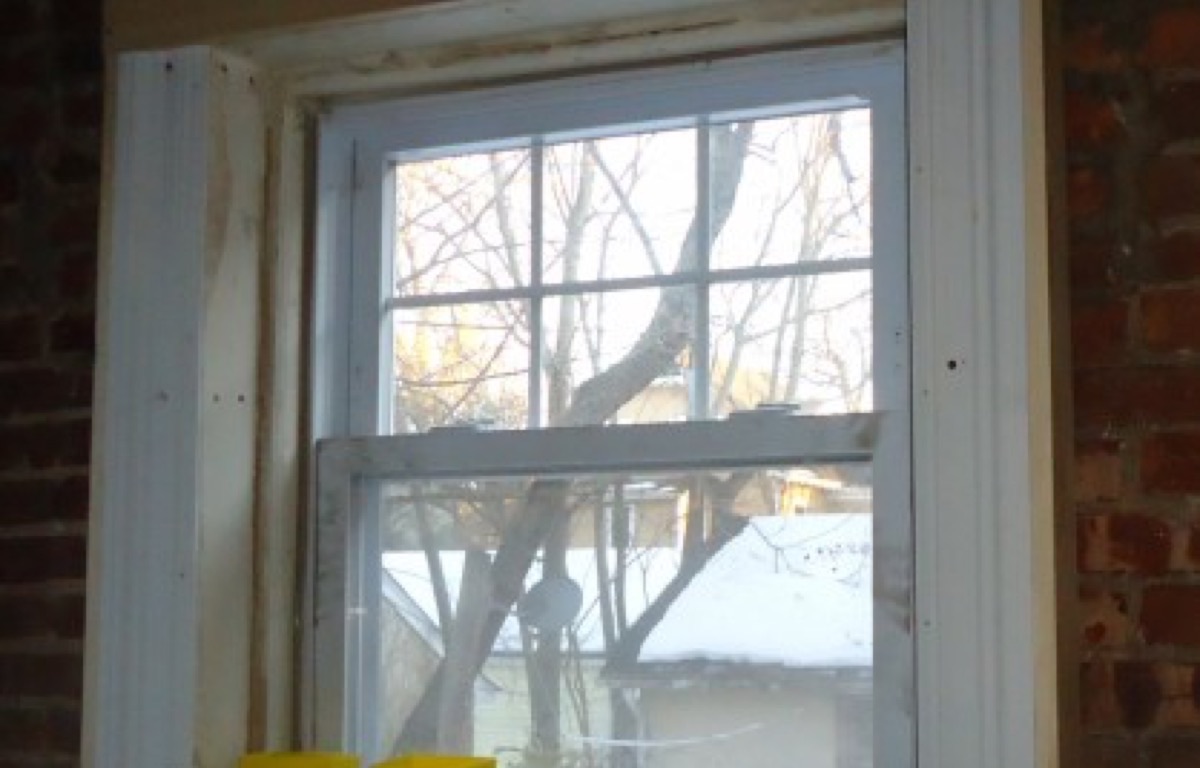

Use a paper or tissue test around the closed window, then start with removable weatherstripping or a report to maintenance rather than permanent caulk.
A window can feel drafty because the sash is not closing tightly, a weather seal has flattened, a frame has shifted, or cold glass is creating a chill that feels like moving air. Those are different problems. The first check should locate movement, not assume that every cold window needs sealant.
For renters, the safest approach is temporary and reversible. Do not drill into the frame, remove glazing beads, fill a drainage channel, or apply permanent caulk until the landlord or property manager agrees. For related hardware and gaps, browse doors and windows guides.
Many windows are designed to shed rain through small drainage openings. A temporary interior seal should never block those openings, stop the window from opening, or interfere with an escape route.
Check whether it is moving air or a cold surface
Close and latch the window. On a windy day, move a thin strip of tissue around the meeting line between sash and frame without touching the glass. If the tissue moves at one point, you have found an air path. If it stays still but the glass feels cold, the sensation may be surface temperature rather than a draft.
Do the same check around the inside trim and sill. A gap at the trim can be a building-envelope issue; a gap at the moving sash is more likely to respond to a replaceable seal or adjustment. Take a photo of the location before applying anything.
Use the paper test to check the closing pressure
Place a small piece of ordinary paper between the sash and the frame, close and latch the window, and try to pull the paper out. Repeat at the top, bottom, and both sides. This is not a laboratory test, but a clear difference between points can show where the seal is no longer making contact.
Use the same size strip so the comparison is useful.
A window that does not latch fully may need maintenance rather than more seal material.
Water marks, peeling paint, or damp trim can point to moisture or a failed seal, not only cold air.
Do not force a stiff handle to make the paper test “pass.” If the window needs unusual pressure to close, stop and report it.
Choose a removable first fix
For a small gap around a moving sash, removable foam or rubber weatherstripping can reduce air movement if the product is sized for the gap and applied to a clean, dry surface. Use only enough material for the window to close and latch normally.
The Department of Energy distinguishes between caulk for cracks around stationary components and weatherstripping for moving joints such as operable windows and doors (DOE air-sealing guidance). Its renter guidance also lists weatherstripping and caulk as possible ways to reduce air leaks around windows and doors, while noting that some sealing work is better handled professionally (DOE renter energy guidance).
In a rental, treat permanent caulk as a permission question. It can stain a painted frame, trap moisture, or make a later repair harder. A temporary strip, draft stopper, or clear report is usually the better first move.
Know when the window needs maintenance
Report the window if the frame is cracked, the sash will not latch, the glass is misted between panes, water enters during rain, the draft comes from the wall around the frame, or the problem returns after a temporary strip is removed. Also report a window that cannot open when it is meant to provide ventilation or escape.
Energy comfort is not the only concern. A persistent damp edge can damage paint and trim, and EPA guidance identifies condensation and moisture on windows and walls as conditions worth addressing promptly (US EPA mold and moisture guide).
Keep a temporary seal from causing a new problem
Check the strip after a few days. It should not make the handle harder to use, stop the window from latching, cover drainage openings, or leave adhesive behind when removed. If the window becomes difficult to open, remove the temporary material and report it.
Do not use expanding foam in a window gap as a casual renter fix. Foam can expand into moving parts and make future maintenance harder. The move-out guide collection can help you plan removable fixes that are easier to document later.
Choose a reversible response
A drafty window needs a location before it needs a product. Test the closed sash, choose a removable measure only when the window still works normally, and report frame, moisture, or escape-route problems. Continue with the full guide library for the next practical fix.
These links support specific safety, maintenance or jurisdiction examples in the article. General guidance cannot replace the instructions for the exact appliance, fitting, lease or location.