
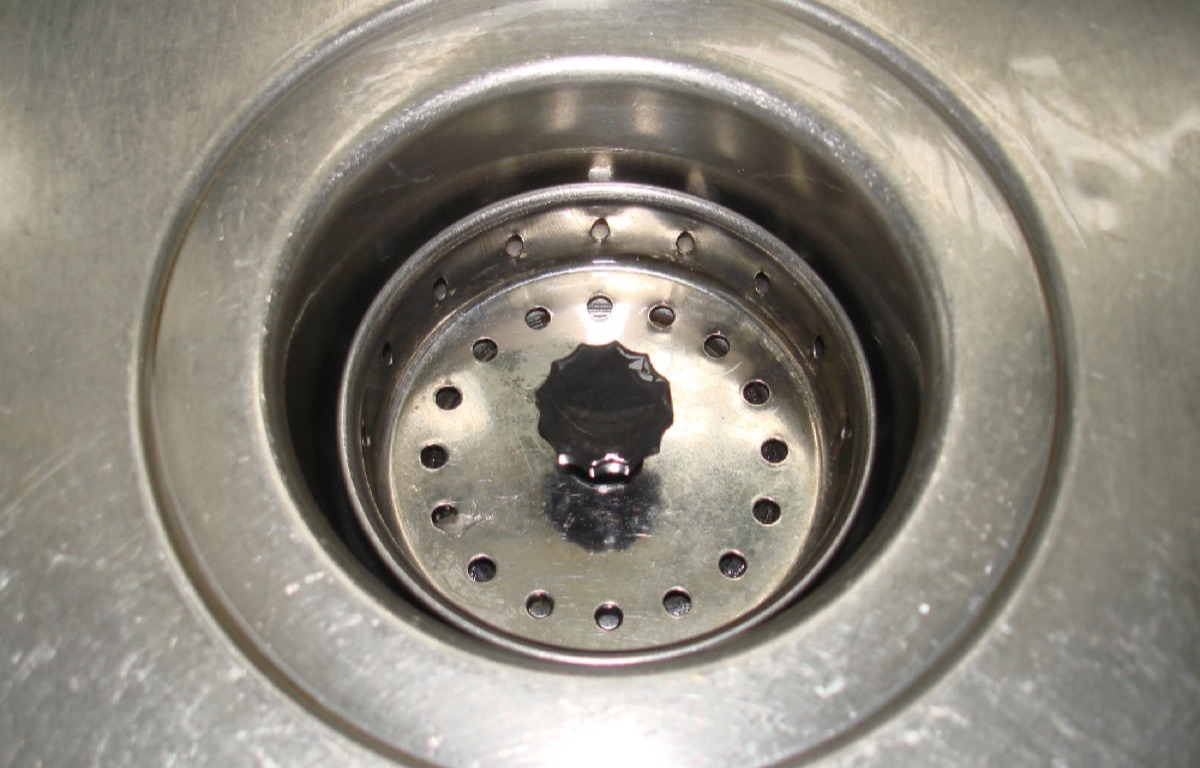

Clean the visible drain area, check whether the trap is holding water, and report a recurring or sewage-like smell instead of masking it with fragrance or chemicals.
A smell that appears after the water drains is usually a clue about where residue, standing water, or a plumbing connection is holding. It does not automatically mean the whole drain needs to be dismantled. The useful first job is to locate the smell: at the plughole, around the overflow, inside the cabinet, near a dishwasher hose, or elsewhere in the room.
For renters, the distinction matters. A surface clean may be reasonable; opening a trap, disturbing a seal, or treating a possible sewer-gas problem is a different level of work. If the smell is one of several bathroom or kitchen symptoms, continue with the kitchen and bathroom guide collection.
If the odor is strong, persistent, or comes with gurgling, slow drainage, or water backing up, stop using the fixture and report it. Do not combine bleach, drain opener, vinegar, or other cleaners to chase the smell.
Find where the smell is strongest
Remove items from under the sink and take a calm look before cleaning. Smell the drain opening, the overflow hole, the underside of the basin, the cabinet base, and any visible hose or trap connection from a short distance. You are not trying to put your face near the pipework; you are comparing locations.
Next, fill a clean glass with cold tap water and carry it away from the sink. If the water smells normal away from the basin but the area around the sink smells bad, the drain or surrounding materials are more likely than the water supply. The UK Drinking Water Inspectorate uses this same location check when helping people separate a sink or drain odor from an odor that travels with the water (Drinking Water Inspectorate taste and odor guidance).
Clean the parts you can reach without dismantling
Start with the drain cover, plug, strainer, and overflow opening. Remove visible hair, food residue, and soap film with a disposable cloth or an old toothbrush reserved for cleaning. Rinse the cloth immediately and wash your hands when you are done.
Residue can sit just above the water line, where a quick rinse will not reach it.
Food and biofilm can collect in the small opening near the top of a basin. Use a damp cloth or a soft brush; do not force tools into the passage.
A damp shelf liner, swollen board, or old spill can smell like a drain problem even when the pipe is fine.
Do not pour boiling water into a sink with unknown fittings, and do not add a chemical product simply because the smell is unpleasant. A cleaner can change the smell for a few hours without fixing the source.
Understand the trap without taking it apart
The curved trap below a sink normally holds a small amount of water that helps separate the room from the drain line. If a fixture has been unused for a long time, that water can evaporate; if the trap is dirty or damaged, odors may also pass through. You can look for signs such as a dry-looking trap, a loose joint, staining, or a drip, but you do not need to unscrew it to prove the point.
If several fixtures are slow or smelly at the same time, the issue may be farther along the shared waste system. Record which fixtures are affected and report the pattern rather than treating it as residue in one basin.
Check for a damp or hidden source
A musty smell can come from damp wood, a leak at the back of the cabinet, or moisture under the floor rather than from the drain itself. Look for swelling, peeling laminate, darkened joints, or a wall that feels different from the surrounding surface. Take photos before moving stored items around.
EPA guidance says moisture control is the key to preventing indoor mold growth, recommends drying wet areas promptly, and tells renters to report plumbing leaks and moisture problems to the building owner or manager (US EPA mold and moisture guide). If a musty smell continues after the visible area is dry, report the smell and the location instead of repeatedly scrubbing the same surface.
Know when the smell needs a repair report
Contact the landlord or maintenance team if the smell is sewage-like, returns quickly after cleaning, comes with gurgling or slow drainage, affects more than one fixture, or appears alongside dampness, mold, or a leak. Also report a trap or waste connection that is cracked, loose, or wet.
“There is a recurring smell from the [kitchen/bathroom] sink after the water drains. I cleaned the visible drain and overflow and dried the cabinet. The smell is strongest at [location] and [does / does not] come with slow drainage or gurgling.”
Keep the smell from becoming a cycle
Use a sink strainer where appropriate, keep food scraps and grease out of the waste pipe, and clean the drain rim as part of normal housekeeping. If the sink is rarely used, run water periodically so the trap does not sit dry. Do not use a fragrance block or strong cleaner as a substitute for finding a leak or a shared drain problem.
If the smell appears with a blockage, use the slow-drain guide for the low-risk sequence, but stop and report it if more than one fixture is affected.
Leave a useful smell record
A clean drain should smell neutral, but the route to that result is not “use the strongest product.” Locate the smell, clean only what you can reach safely, record the pattern, and hand the issue back when it looks shared, hidden, or persistent. Continue with the full guide library for the next small problem.
These links support specific safety, maintenance or jurisdiction examples in the article. General guidance cannot replace the instructions for the exact appliance, fitting, lease or location.