

Remove the curtain's weight if safe, photograph the bracket and check whether the wall is cracked or soft. Tighten only an obvious loose screw in sound material; report a moving bracket, damaged wall or heavy rail.
Curtain hardware is a small fixture carrying repeated movement. Every pull on the fabric loads the bracket, and a fixing that was only slightly loose can enlarge its hole over time. The visible gap may therefore be a hardware issue, a plaster issue or both.
Start by reducing the load, not by pulling the bracket harder. Do not install a new anchor, drill a wider hole or fill a damaged fixing without permission. For other wall and surface issues, browse the walls and surfaces guide collection.
If the rail is above a bed, cot, desk or walkway, keep people clear and remove the curtain weight only if you can do it without the bracket dropping. Ask maintenance to secure an unstable fixture promptly.
Take the weight off the bracket
Close the curtains gently and look at the bracket from the floor. If the rail is visibly tilting, do not tug the fabric. Ask another person to support the rail while you remove the curtains, or leave it alone and report it if the hardware could fall.
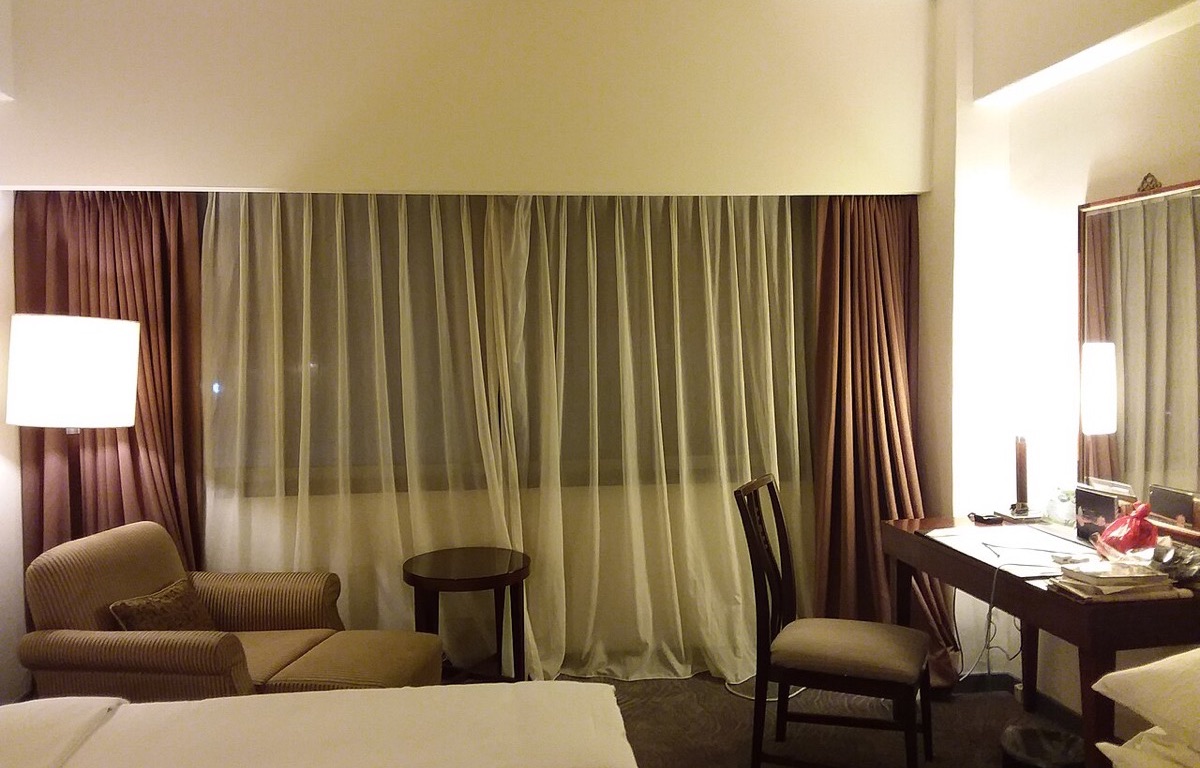
Show the whole window and the gap between the bracket and wall before touching it.
Look for cracks, crumbling plaster, swelling or a fixing that is pulling out.
A loose screw is different from a bracket that is bending or separating from the wall.
Identify a safe, visible fixing
If the bracket is stable and one visible screw head is clearly loose in sound material, you may snug it gently with a manual screwdriver. Support the bracket, turn only until snug and stop if the screw spins, the wall flakes or the bracket shifts.
Do not assume the wall can hold a larger screw. Drywall, masonry, timber and tiled surfaces need different fixings, and a heavy curtain or blind may need a load-bearing support. If the wall type, fixing or load is uncertain, leave the bracket supported and ask maintenance to choose the correct hardware.
Know when to stop
Stop if the bracket moves, the wall is soft or cracked, the fixing hole is enlarged, the rail is heavy, the curtain is above a bed or the installation includes a blind chain or motor. Do not use filler, adhesive or a random wall plug to hide the movement.
If the rail is part of a supplied blind or a safety-critical window covering, report it rather than changing the hardware. Keep the original parts together for maintenance.
Send a clear repair report
Tell maintenance which bracket is moving, whether the curtain was removed, whether the wall is damaged and whether the window covering can still be used safely. Include a wide photo so the height and position are clear.
Keep the window area usable
Do not pull the curtain from the loose side, hang clothes on the rail or place furniture beneath a visibly unstable bracket. Keep the window accessible for normal ventilation and emergency exit where applicable.
For move-out documentation, keep the dated photo and any maintenance reference. The move-out guide collection can help you record supplied fixtures without attempting an unapproved replacement.
Reduce the load before touching the fixing
A loose curtain rail needs the load reduced before it needs a larger screw. Support it, inspect the wall from a safe position, make one gentle check only in sound material and report any movement or damage. Continue with the full guide library for the next wall check.
These links support specific safety, maintenance or jurisdiction examples in the article. General guidance cannot replace the instructions for the exact appliance, fitting, lease or location.