
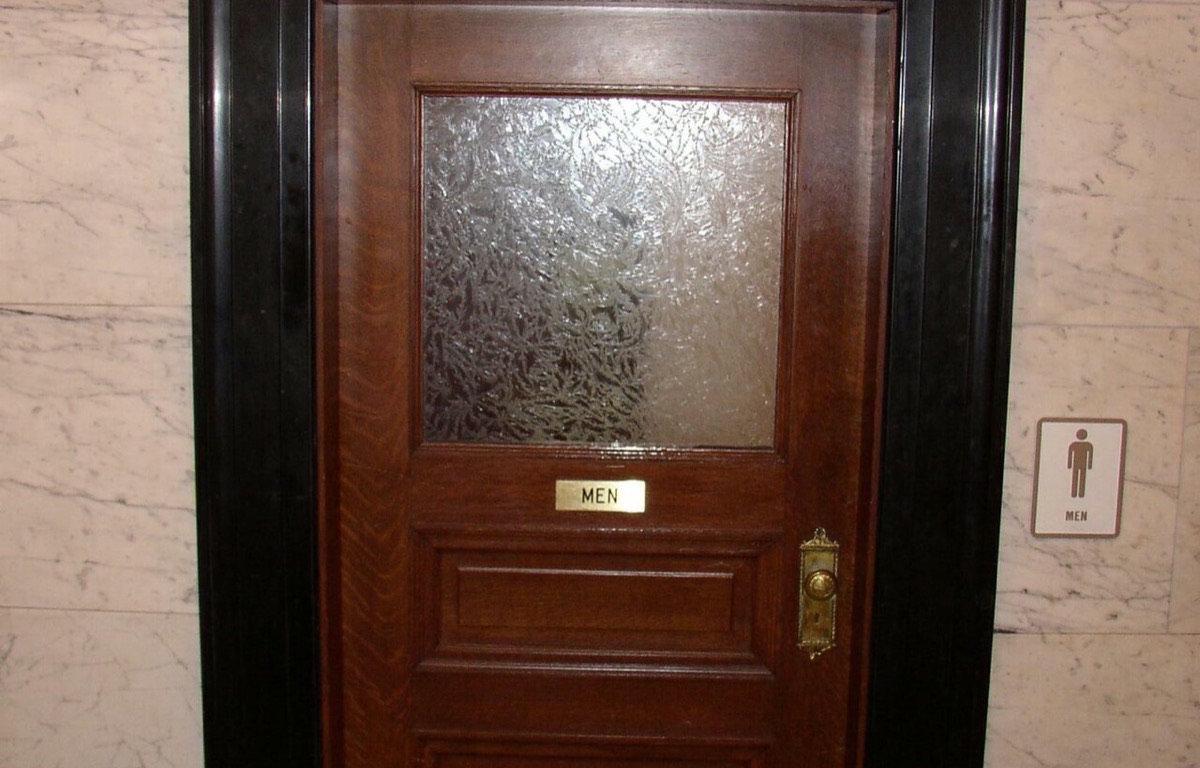

Photograph the gap, check whether the door rubs only after showers or all the time, and look for dampness or peeling finish. Make no permanent cut; report swelling, a damaged frame or a door that will not close safely.
Bathroom doors live near repeated moisture, but a new rub or swollen edge is not something to solve automatically with sandpaper. The door may have absorbed moisture, the hinges may have moved, the frame may be swelling or the extractor may not be clearing the room. Trimming the edge can hide the symptom while the underlying moisture continues.
Start with a dry door and a photo of the gap. Do not plane the edge, remove hinge screws or force the door shut. For related bathroom moisture, see the bathroom condensation guide.
If the door cannot close, blocks the only bathroom or has a sharp split, report it promptly. Do not wedge it shut or leave it jammed against the frame.
Find where the door is rubbing
Close the door slowly and look for a fresh scrape at the top, hinge side, latch side or lower edge. Compare the gap when the bathroom is dry and after normal shower use. Note whether the handle and latch still work without force.
Show the door and frame, then the exact rub mark or swollen edge.
Look at the lower door edge, skirting, bath panel and wall beside the frame.
Record whether the problem appears after a shower or remains constant through the day.
Reduce ordinary bathroom moisture
Run the extractor as intended, wipe standing water from the floor and keep wet towels spread out to dry. Do not block the fan, dry clothes against the door or leave a wet mat pressed against the lower edge.
EPA guidance recommends controlling indoor humidity, increasing ventilation and drying wet areas promptly, while persistent dampness and leaks should be reported to the building owner or manager (US EPA: Humidity and condensation).
Check the hinges without lifting the door
Look at the hinge screws while the door is supported by its frame. If one visible screw is clearly loose and the door is light and stable, you may snug it gently with a manual screwdriver. Stop if the timber is split, the screw spins or the door is heavy.
Do not remove the door, pack the hinges, plane the edge or cut the frame without permission. A swollen door may need drying, repainting or replacement after the moisture source is fixed.
Know when the door needs maintenance
Report the door if it stays swollen, catches the floor, will not latch, has a soft or split edge, shows mold or peeling paint, or the frame is damp. Report the bathroom ventilation problem at the same time if the room remains wet after normal use.
Keep access clear while you wait
Leave the door in its normal position if it remains safe, keep the lower edge dry and avoid hanging wet towels from it. Do not use a wedge that prevents the room from ventilating or makes the bathroom inaccessible.
For a handover record, keep the first photo and any repair reference. The bathroom handover guide can help you record the door alongside the fan, sealant and drainage checks.
Let moisture and movement tell the story
A swollen bathroom door needs a moisture pattern before it needs a saw. Photograph the rub, dry the room normally, make no permanent cut and report a door that remains damp, unsafe or impossible to latch. Continue with the full guide library for the next room check.
These links support specific safety, maintenance or jurisdiction examples in the article. General guidance cannot replace the instructions for the exact appliance, fitting, lease or location.